
"Sailing Coffee"
270 article(s) found

The fate of the ill-fated Indonesian coffee Kopi Luwak
Indonesia has always been one of the best coffee producers in the world. Java coffee used to be synonymous with top coffee, while Sumatra and Sulawesi are also rich in top coffee. Coffee arrived in Indonesia early and was brought in by the Dutch in the 17th century, when Ceylon, now Sri Lanka, began to grow coffee because of the Dutch. And at that time, both Indonesia and Sri Lanka

An introduction to the flavor of the manor in El Salvador, the smallest coffee-producing country in Central America.
The civil war in 1980 caused government forces and guerrillas to deal a blow to the coffee industry, as well as natural disasters, as well as the collapse in international raw bean prices between 1986 and 1987, all of which adversely affected the coffee industry. in fact, 80 years ago, the foreign exchange earned by coffee also assisted the country's clothing industry and contributed to the Ministry of Light Industry. And the marketing and export controlled by the government are even more disadvantageous to the whole industry.

Why do Nordic people drink so much coffee? How do Norwegian people drink coffee?
Professional coffee knowledge exchange more coffee bean information please follow the coffee workshop (Wechat official account cafe_style) in Norway, the average annual consumption of nearly 10 kilograms of coffee beans, and several other Nordic countries, long ranked the top three. A few years ago, it was even more headlined that Uten Kaffe,stopper Norge, literally meaning that there was no coffee, the whole of Norway stopped operating.

What is Fine Coffee? Start coffee, open a coffee shop, know good coffee
Specialty coffee is also known as specialty coffee. It refers to coffee made from green beans with excellent taste characteristics grown in a few extremely ideal geographical environments. Depending on the particular soil and climatic conditions in which they are grown, they have outstanding flavors. This type of coffee is carefully selected and graded for its hard texture, rich taste and wind.

Indonesian coffee is one of the best coffee producers in the world.
Indonesia has always been one of the best coffee producers in the world. Java coffee used to be synonymous with top coffee, while Sumatra and Sulawesi are also rich in top coffee. Coffee arrived in Indonesia early and was brought in by the Dutch in the 17th century, when Ceylon, now Sri Lanka, began to grow coffee because of the Dutch. And at that time, both Indonesia and Sri Lanka

A brief introduction to the flavor and taste of the manor in El Salvador, the smallest coffee-producing country in Central America.
The civil war in 1980 caused government forces and guerrillas to deal a blow to the coffee industry, as well as natural disasters, as well as the collapse in international raw bean prices between 1986 and 1987, all of which adversely affected the coffee industry. in fact, 80 years ago, the foreign exchange earned by coffee also assisted the country's clothing industry and contributed to the Ministry of Light Industry. And the marketing and export controlled by the government are even more disadvantageous to the whole industry.

Story about the Origin of Indian Monsoon Coffee is Indian Monsoon Coffee good? Flavor characteristics of monsoon coffee
Professional coffee knowledge exchange more coffee bean information please pay attention to the coffee workshop (Wechat official account cafe_style) wind-stained coffee is inadvertently created a new flavor. In the 17th and 18th centuries, India shipped coffee beans to Europe by sailboat, which took six months. The raw beans were placed on the bottom of the barn and absorbed the moisture and salty taste from the sea surface. The raw beans arrived in Europe and went bad in color.

Understand the history and culture of coffee when coffee was introduced into Europe the benefits of historical coffee
Coffee was introduced into the Arab region where coffee was grown and drank on a large scale in Europe. At that time, it had the most prosperous port in the world, Mocha. The scale of maritime trade here was amazing, and it brought unlimited business opportunities to merchant ships from all over the world. Coffee that has been popular in the Arab region has naturally become the favorite of merchants from all countries, especially those who have tasted coffee, Nagan.

Introduction to the treatment methods of Indian Coffee Brand Monsooned Coffee Monsoon Coffee / Wind-stained Coffee
For more information on coffee beans, please follow the coffee workshop (Wechat official account cafe_style) Indian monsoon coffee (India Monsooned Coffee, also known as wind-stained coffee) when it comes to Asian coffee, consumers should be most familiar with low-sour, mellow Sumatran coffee, or Vietnamese coffee that has been increasing in production in recent years, but in fact, Indian coffee

Coffee for three hundred years
Europeans drink coffee, but they know when the habit began, only in Austria. Legend has it that when the Turkish army who invaded Austria was defeated and retreated, it dropped two bags of coffee and the Viennese tasted it. It tasted good, so coffee became popular in Austria. It is said that this happened in 1687.
Three hundred years of Coffee
Europeans drink coffee, but they know when the habit began, only in Austria. Legend has it that when the Turkish army who invaded Austria was defeated and retreated, it dropped two bags of coffee and the Viennese tasted it. It tasted good, so coffee became popular in Austria. It is said that this happened in 1687.

Introduction to the production process of Indian style soiled coffee beans. What is the taste of monsoon Malaba coffee?
Professional coffee knowledge exchange more coffee bean information please follow the coffee workshop (Wechat official account cafe_style) old coffee, are you nostalgic? I am. After 4 months of wind treatment, the sea breeze blew, and the green beans finally turned golden. What has changed is not only seen by the naked eye? How do you know what traces of time are without a sip? The source of Indian wind-soaked beans

Coffee is a sweet lifestyle.
Time flies, in the blink of an eye into the coffee industry has been fighting for nearly five years. Over the past five years, we have gradually grown and grown, and we have seen our coffee consumption gradually move from the altar to the masses, from the clouds to the ground, from the dispensable luxury goods to the necessities of daily work and life. You don't see coffee in the office building, busy working

Long Coffee fragrance Coffee Culture of Austria
Europeans drink coffee, but they know when the habit began, only in Austria. Legend has it that when the Turkish army who invaded Austria was defeated and retreated, it dropped two bags of coffee and the Viennese tasted it. It tasted good, so coffee became popular in Austria. It is said that this happened in 1687. Over the past three hundred years, Austrians have not only had three meals a day, but also had a cup of coffee after meals.

What kind of coffee do you have in India? How to drink Indian Malaba coffee by hand?
Professional coffee knowledge exchange more coffee bean information Please follow the coffee workshop (Wechat official account cafe_style) in the early years, Indian coffee was transported by sea from the coast of Malaba to Europe, which often took about six months to arrive in Europe. In the long process of shipping, under the influence of sea breeze and monsoon, these coffee beans gradually develop their flavor and color.

Indian-style Malabar coffee has been favored by Europeans since the 17th century.
Professional coffee knowledge exchange more coffee bean information Please follow the coffee workshop (official Wechat account cafe_style) refined wind-stained coffee on rainy days ~ we'll talk about it later. Coffee became the number one drink in the world only 1600 years later, so the recorded history of coffee is only 400 years similar to that of Taiwan. Most people recognize that Africa is the origin of coffee.

Relying on the comprehensive voyage of the Central University for nationalities, Coffee 56 creates a grand opening of the space branch.
The Wenhua Building of Mu Yi Cafe Central University for nationalities opened together with the Innovation and Entrepreneurship Center of the Central University for nationalities, Lei Zhaozi, director of the National College Student Information consultation and Employment guidance Center of the Ministry of Education, and Tian Lui, director of the Education Department of the State ethnic Affairs Commission. Huang Taiyan, deputy secretary of the party committee of the Central University for nationalities and president of the Central University for nationalities, and 56 entrepreneurs of the Central University for nationalities created the space to represent Beijing Bo.

The aroma of coffee has been floating for three hundred years.
Europeans drink coffee, but they know when the habit began, only in Austria. Legend has it that when the Turkish army who invaded Austria was defeated and retreated, it dropped two bags of coffee and the Viennese tasted it. It tasted good, so coffee became popular in Austria. It is said that this happened in 1687. Over the past three hundred years, Austrians have not only had three meals a day, but also had a cup of coffee after meals.
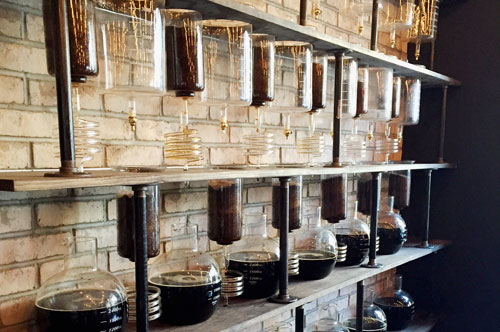
Inherit the experimental spirit of Dutch navigators! History of the invention of ice drop coffee _ how to get ice drop coffee
Professional coffee knowledge exchange more coffee bean information please follow the coffee workshop (Wechat official account cafe_style) hot summer? Try the coffee, new darling! Benefiting from the third wave of coffee (third wave of coffee), the whirlwind of ice drop coffee (cold drip coffee) has swept the global coffee industry. From London to Paris, from Tokyo to Amsterdam, from New York to Manha
The aroma of fine coffee with a long basic knowledge
Europeans drink coffee, but they know when the habit began, only in Austria. Legend has it that when the Turkish army who invaded Austria was defeated and retreated, it dropped two bags of coffee and the Viennese tasted it. It tasted good, so coffee became popular in Austria. It is said that this happened in 1687. Over the past three hundred years, Austrians have not only had three meals a day, but also had a cup of coffee after meals.